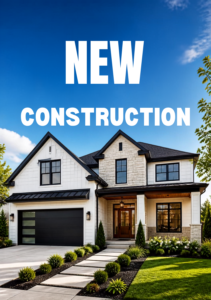
Colorado New Construction Home Buyer Resources
Buying a new construction home in Colorado can involve different questions and decisions than buying an existing home. Builder incentives, financing offers, quick move-in inventory, contracts, buyer representation, property taxes, metro districts, HOA costs, and construction timelines may all affect a buyer’s decision.
The resources on this site are designed to help Colorado new construction buyers better understand the questions, potential costs, and transaction considerations that may come up when buying a newly built home.
What Should You Understand Before Buying New Construction in Colorado?
A new home may look simple to purchase. Buyers visit a community, tour a model home, choose a property, and review the builder’s available incentives.
The transaction itself may be more complicated.
The builder, sales office, contract, lender incentive, appraisal, construction timeline, taxes, metro district, HOA, and property may all affect the purchase.
Understanding how these pieces can connect may help buyers ask better questions before making a decision or signing a builder contract.
The Builder’s Sales Office Represents the Builder
The sales professionals working in a builder’s sales office are there to sell homes for the builder. Buyers may receive information about available homes, pricing, incentives, and the community from the sales office, but the builder’s representatives work for the builder.
Buyers considering new construction may want to understand who represents each party and what buyer representation options are available before beginning the purchase process.
Why Buyer Representation Matters Before You Visit a Builder
Builders may have their own policies regarding buyer representation and agent registration. In some communities, a buyer’s real estate agent may need to accompany the buyer on the first visit or be registered with the builder early in the process.
Waiting until after visiting a sales office, registering online, or beginning conversations with the builder may affect a buyer’s representation options.
Buyers may want to understand the builder’s policies before touring model homes or providing their information to a builder.
Builder Incentives Are Not Always Simple Discounts
Builders may offer incentives involving interest rates, closing costs, design options, price reductions, or other financial considerations.
An incentive may be tied to a specific home, contract date, closing deadline, lender, loan program, or other requirement.
The largest advertised incentive is not automatically the best financial option for every buyer. Buyers may want to understand the requirements and compare the overall transaction before deciding which offer makes the most sense.
Why Builders May Offer Special Financing Incentives
Some builders offer financing incentives through an affiliated or preferred lender. These incentives may include reduced interest rates, closing cost contributions, or other financing-related benefits.
The terms of the incentive may depend on the loan program, property, contract date, closing timeline, or buyer qualifications.
Buyers should understand what is required to receive an advertised financing incentive and how the overall loan terms compare with other available options.
Quick Move-In Homes May Have Different Incentives
A quick move-in home is typically already under construction or completed and available for a buyer to purchase within a shorter timeframe.
Builders may have different pricing or incentives for quick move-in inventory than they offer on homes that have not yet been built.
Available incentives may also change based on the builder’s inventory, construction stage, contract timing, and desired closing date.
The Builder Contract May Be Different From a Standard Resale Contract
Builders often use their own purchase contracts and addenda. The terms, deadlines, deposits, financing provisions, construction timelines, inspection rights, and other contract requirements may differ from those found in a typical resale home transaction.
Buyers should understand the contract they are signing and the deadlines or obligations that may apply throughout the construction and closing process.
What Buyers Should Know About Builder Deposits
Builders may require deposits when a buyer enters into a contract. Additional deposits may be required for certain selections, upgrades, or changes.
The amount, timing, and terms associated with a deposit may vary by builder and contract.
Buyers should understand when deposits are due and what the builder contract says about the treatment of those funds if the transaction does not move forward.
Property Taxes and Metro Districts Can Affect the Cost of a New Home
The purchase price is not the only cost buyers should compare when considering a new construction home.
Many newer Colorado communities may have metro district taxes or assessments in addition to property taxes and possible HOA fees. These costs can vary between communities and may affect the overall cost of owning the home.
Two similarly priced new construction homes in nearby communities may have different ongoing property-related costs.
Future Property Taxes May Be Different From Current Tax Information
Tax information available for a new construction property may not always reflect the future taxes associated with a completed home.
A property may have previously been assessed as vacant land or while construction was incomplete. As the property and community develop, the assessed value and property tax amount may change.
Buyers may want to understand the available tax information and avoid assuming that a current tax amount will necessarily represent future property taxes.
New Construction Homes Can Still Have Inspections
A newly built home is not automatically free from construction or property concerns.
Depending on the transaction and builder contract, buyers may consider inspections during different stages of construction or before closing. Inspection options and access may vary by builder and contract.
Buyers should understand what inspection opportunities are available and the builder’s process for addressing identified items.
The Appraisal Can Still Affect a New Construction Purchase
New construction homes may still require an appraisal as part of the buyer’s financing.
The appraiser may consider the property, contract, comparable sales, upgrades, and other relevant information when developing the appraisal.
An appraisal issue may affect the buyer’s loan or financing even when the home is being purchased directly from a builder.
Construction and Closing Timelines Can Change
Construction timelines may be affected by weather, materials, labor, inspections, permits, utilities, or other construction-related factors.
An estimated completion date may change as the home moves through the construction process.
Timeline changes may affect a buyer’s current housing, lease, moving plans, rate considerations, and closing preparation. Buyers may want to understand how the builder communicates construction and closing updates.
The Community Around the Home May Still Be Developing
Buying in a new construction community may mean purchasing while the surrounding neighborhood is still being developed.
Future roads, homes, commercial development, schools, parks, amenities, and other community features may be planned but not yet completed.
Buyers should distinguish between what currently exists and what is proposed or planned when evaluating a new construction community.
Explore Colorado New Construction Guides and Resources
Buying a newly built home can bring up questions buyers may not know to ask until they are already talking with a builder or reviewing a contract.
Here, you’ll find articles and videos about builder incentives, financing offers, quick move-in homes, buyer representation, builder contracts, deposits, property taxes, metro districts, appraisals, inspections, and construction timelines.
These resources are designed to help Colorado new construction buyers better understand common questions, potential risks, and parts of the builder purchase process that can be easy to overlook.
Comparing Colorado New Construction Communities?
New construction options can vary significantly between Colorado cities, communities, and builders.
Available homes, pricing, quick move-in inventory, incentives, property taxes, metro districts, HOA costs, commute considerations, and future community development may all differ depending on the location.
Buyers comparing Colorado communities may also want to explore the Moving to Colorado resources for information about cities, commutes, housing, and everyday life.
Thinking About Buying a New Construction Home in Colorado?
You do not need to choose a builder or community before reaching out.
If you’re considering new construction, tell me which areas you’re looking at, what type of home you want, and what’s important to you.
I can help you think through the real estate side of the purchase, identify questions you may want to ask, and compare the new construction options you’re considering.